Buy mfsc.eu ?
We are moving the project
mfsc.eu .
Are you interested in purchasing the domain
mfsc.eu ?
domain@kv-gmbh.de · 0541-91531010
Buy mfsc.eu ?
What is a possessive pronoun in English?
A possessive pronoun in English is a pronoun that shows ownership or possession. Examples of possessive pronouns include "mine," "yours," "his," "hers," "ours," and "theirs." These pronouns are used to indicate that something belongs to a specific person or group. Possessive pronouns can stand alone or be used before a noun to show ownership. **
What is the possessive pronoun in Spanish?
The possessive pronoun in Spanish is a word that indicates ownership or possession. It agrees in gender and number with the noun it is referring to. Examples of possessive pronouns in Spanish include "mi" (my), "tu" (your), "su" (his/her/its/your formal), "nuestro/a" (our), and "vuestro/a" (your plural). **


Similar search terms for Possessive pronoun
Top-Angebote
Products related to Possessive pronoun:
-
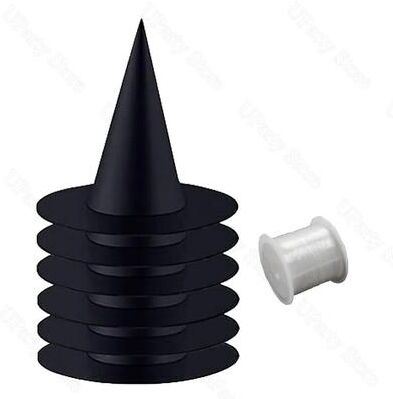
Inspired Living Floating Witch Hats Halloween Hanging Decorations 6 12 Piece Black Witch Hat Set 12pcs HatsTurn your home into an enchanting Halloween scene with hanging witch hats that appear to float overhead. These classic black hats add instant spooky charm to porches, ceilings, trees, entryways, and party spaces. Designed for anyone who loves easy,...42,97 $*Shipping: 0,00 $Secure redirect to the provider
-
Uplifted Finds Hanging Black Witch & Wizard Hats Bulk Set With Hanging Rope For Outdoor & Home Decor 6pcs HatsCast a spell of haunting enchantment over your space with this Hanging Black Witch Hats Bulk Set! Complete with durable hanging rope, these classic pointed witch and wizard hats create the magical illusion of floating headwear when suspended from...48,97 $*Shipping: 0,00 $Secure redirect to the provider
-
Uplift Treasures Halloween Hanging Witch Hats Set For Indoor And Outdoor Decorations 6pcs HatsProduct Description: Transform your home into a magical Halloween scene with these hanging black witch hats. Each hat comes with a hanging rope, making it easy to create the popular floating hat effect on porches, ceilings, trees, and party spaces....46,97 $*Shipping: 0,00 $Secure redirect to the provider
-
Uplift Picks Neon Party Fedora Hats Glow Bright Under UV Blacklight Party Celebrations hats (12 Pcs)Turn any dark party into a vibrant crowd moment with neon party hats designed to fluoresce under UV blacklight. Their bright colors stand out during dances, concerts, birthdays, and themed events while adding an easy costume accessory for guests....85,00 $*Shipping: 0,00 $Secure redirect to the provider



-
What is the difference between a possessive pronoun and a possessive adjective?
A possessive pronoun replaces a noun and shows ownership or possession, such as "mine," "yours," "his," "hers," "ours," and "theirs." On the other hand, a possessive adjective modifies a noun to show ownership or possession, such as "my," "your," "his," "her," "our," and "their." In essence, possessive pronouns stand alone, while possessive adjectives are used before a noun to describe who owns or possesses it. **
-
What is the difference between a personal pronoun and a possessive pronoun?
A personal pronoun is used to replace a noun and refers to a specific person or thing, such as "he," "she," or "they." On the other hand, a possessive pronoun shows ownership or possession, such as "his," "her," or "their." Personal pronouns indicate who is performing the action in a sentence, while possessive pronouns indicate who owns or possesses something. **
-
What is the possessive pronoun for the 3rd person singular in Norwegian?
The possessive pronoun for the 3rd person singular in Norwegian is "hans" for masculine gender and "hennes" for feminine gender. These pronouns are used to show possession or ownership of something by a singular third person. For example, "hans bil" means "his car" and "hennes bok" means "her book". **
-
In French, do you use an apostrophe with the interrogative pronoun "quelle" and the possessive determiner "ma"?
Yes, in French, you use an apostrophe with the interrogative pronoun "quelle" and the possessive determiner "ma" when they are followed by a word starting with a vowel or a silent "h". For example, "quelle est ton adresse?" (What is your address?) and "ma amie" (my friend). **


Is the friend possessive?
Yes, the friend is possessive. This is evident from the fact that they are trying to control the narrator's actions and decisions, as well as expressing jealousy and possessiveness over the narrator's other relationships. The friend's possessive behavior is unhealthy and can be damaging to the narrator's well-being and independence. It is important for the narrator to set boundaries and communicate their needs in order to maintain a healthy friendship. **
What does possessive mean?
Possessive refers to showing ownership or control over something. It is used to indicate that something belongs to or is associated with a particular person or thing. In grammar, possessive forms are used to show that a noun belongs to someone or something. **
Top-Angebote
Products related to Possessive pronoun:
-
Uplift Treasures Halloween Hanging Witch Hats Set For Indoor And Outdoor Decorations 12pcs HatsProduct Description: Transform your home into a magical Halloween scene with these hanging black witch hats. Each hat comes with a hanging rope, making it easy to create the popular floating hat effect on porches, ceilings, trees, and party spaces....67,97 $*Shipping: 0,00 $Secure redirect to the provider
-
Uplift Picks Neon Party Fedora Hats Glow Bright Under UV Blacklight Party Celebrations hats (24 Pcs)Turn any dark party into a vibrant crowd moment with neon party hats designed to fluoresce under UV blacklight. Their bright colors stand out during dances, concerts, birthdays, and themed events while adding an easy costume accessory for guests....105,00 $*Shipping: 0,00 $Secure redirect to the provider
-
Inspired Living Floating Witch Hats Halloween Hanging Decorations 6 12 Piece Black Witch Hat Set 12pcs HatsTurn your home into an enchanting Halloween scene with hanging witch hats that appear to float overhead. These classic black hats add instant spooky charm to porches, ceilings, trees, entryways, and party spaces. Designed for anyone who loves easy,...42,97 $*Shipping: 0,00 $Secure redirect to the provider
-
Uplifted Finds Hanging Black Witch & Wizard Hats Bulk Set With Hanging Rope For Outdoor & Home Decor 6pcs HatsCast a spell of haunting enchantment over your space with this Hanging Black Witch Hats Bulk Set! Complete with durable hanging rope, these classic pointed witch and wizard hats create the magical illusion of floating headwear when suspended from...48,97 $*Shipping: 0,00 $Secure redirect to the provider
-
What is a possessive pronoun in English?
A possessive pronoun in English is a pronoun that shows ownership or possession. Examples of possessive pronouns include "mine," "yours," "his," "hers," "ours," and "theirs." These pronouns are used to indicate that something belongs to a specific person or group. Possessive pronouns can stand alone or be used before a noun to show ownership. **
-
What is the possessive pronoun in Spanish?
The possessive pronoun in Spanish is a word that indicates ownership or possession. It agrees in gender and number with the noun it is referring to. Examples of possessive pronouns in Spanish include "mi" (my), "tu" (your), "su" (his/her/its/your formal), "nuestro/a" (our), and "vuestro/a" (your plural). **
-
What is the difference between a possessive pronoun and a possessive adjective?
A possessive pronoun replaces a noun and shows ownership or possession, such as "mine," "yours," "his," "hers," "ours," and "theirs." On the other hand, a possessive adjective modifies a noun to show ownership or possession, such as "my," "your," "his," "her," "our," and "their." In essence, possessive pronouns stand alone, while possessive adjectives are used before a noun to describe who owns or possesses it. **
-
What is the difference between a personal pronoun and a possessive pronoun?
A personal pronoun is used to replace a noun and refers to a specific person or thing, such as "he," "she," or "they." On the other hand, a possessive pronoun shows ownership or possession, such as "his," "her," or "their." Personal pronouns indicate who is performing the action in a sentence, while possessive pronouns indicate who owns or possesses something. **
Similar search terms for Possessive pronoun
-
Uplift Treasures Halloween Hanging Witch Hats Set For Indoor And Outdoor Decorations 6pcs HatsProduct Description: Transform your home into a magical Halloween scene with these hanging black witch hats. Each hat comes with a hanging rope, making it easy to create the popular floating hat effect on porches, ceilings, trees, and party spaces....46,97 $*Shipping: 0,00 $Secure redirect to the provider
-
Uplift Picks Neon Party Fedora Hats Glow Bright Under UV Blacklight Party Celebrations hats (12 Pcs)Turn any dark party into a vibrant crowd moment with neon party hats designed to fluoresce under UV blacklight. Their bright colors stand out during dances, concerts, birthdays, and themed events while adding an easy costume accessory for guests....85,00 $*Shipping: 0,00 $Secure redirect to the provider
-
Uplift Picks Neon Party Fedora Hats Glow Bright Under UV Blacklight Party Celebrations hats (6 Pcs)Turn any dark party into a vibrant crowd moment with neon party hats designed to fluoresce under UV blacklight. Their bright colors stand out during dances, concerts, birthdays, and themed events while adding an easy costume accessory for guests....63,00 $*Shipping: 0,00 $Secure redirect to the provider
-
Uplift Picks Neon Party Fedora Hats Glow Bright Under UV Blacklight Party Celebrations hats (36 Pcs)Turn any dark party into a vibrant crowd moment with neon party hats designed to fluoresce under UV blacklight. Their bright colors stand out during dances, concerts, birthdays, and themed events while adding an easy costume accessory for guests....155,00 $*Shipping: 0,00 $Secure redirect to the provider
-
What is the possessive pronoun for the 3rd person singular in Norwegian?
The possessive pronoun for the 3rd person singular in Norwegian is "hans" for masculine gender and "hennes" for feminine gender. These pronouns are used to show possession or ownership of something by a singular third person. For example, "hans bil" means "his car" and "hennes bok" means "her book". **
-
In French, do you use an apostrophe with the interrogative pronoun "quelle" and the possessive determiner "ma"?
Yes, in French, you use an apostrophe with the interrogative pronoun "quelle" and the possessive determiner "ma" when they are followed by a word starting with a vowel or a silent "h". For example, "quelle est ton adresse?" (What is your address?) and "ma amie" (my friend). **
-
Is the friend possessive?
Yes, the friend is possessive. This is evident from the fact that they are trying to control the narrator's actions and decisions, as well as expressing jealousy and possessiveness over the narrator's other relationships. The friend's possessive behavior is unhealthy and can be damaging to the narrator's well-being and independence. It is important for the narrator to set boundaries and communicate their needs in order to maintain a healthy friendship. **
-
What does possessive mean?
Possessive refers to showing ownership or control over something. It is used to indicate that something belongs to or is associated with a particular person or thing. In grammar, possessive forms are used to show that a noun belongs to someone or something. **
* All prices are inclusive of VAT and, if applicable, plus shipping costs. The offer information is based on the details provided by the respective shop and is updated through automated processes. Real-time updates do not occur, so deviations can occur in individual cases. ** Note: Parts of this content were created by AI.